A Delightful Design Home

Category

Design Philosophy

25 articles

Framed by Light: Treating Your Windows as the Design Elements They Were Always Meant to Be

Framed by Light: Treating Your Windows as the Design Elements They Were Always Meant to Be

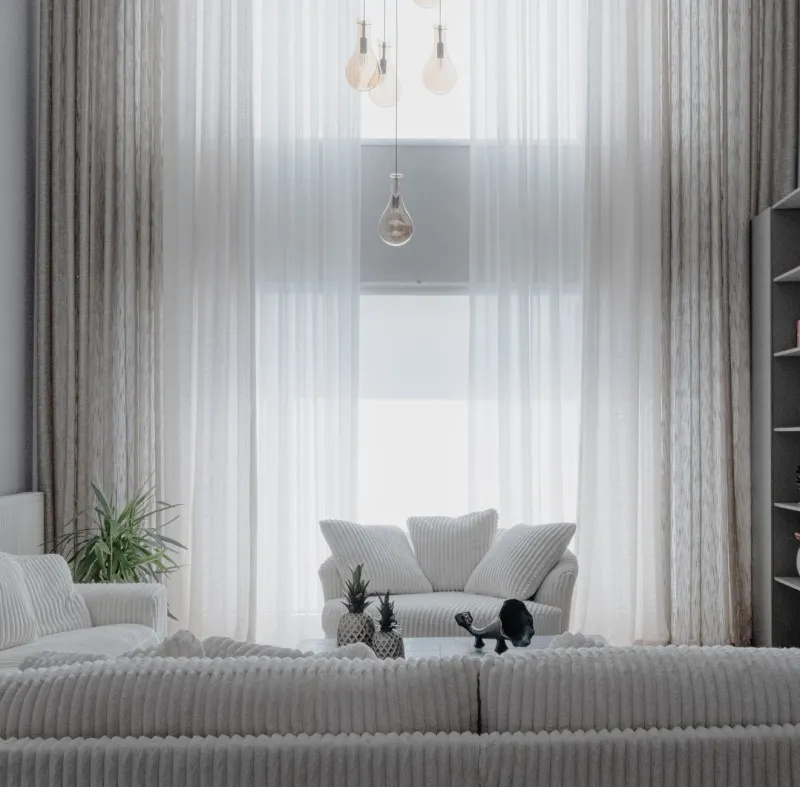
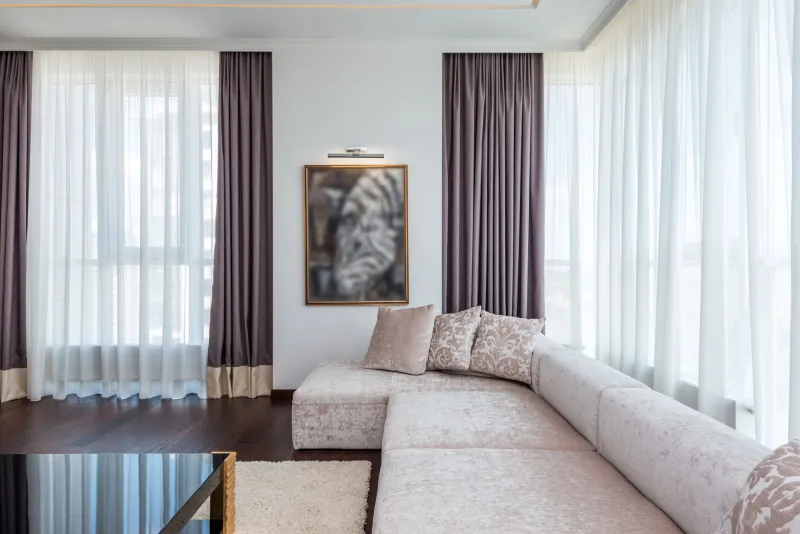
Windows are the only elements in a room that perform simultaneously as architecture, light source, frame, and connection to the world beyond your walls—yet they are routinely treated as an afterthought. Professional designers approach windows with the same deliberate attention they give to any focal point in a room, understanding that how a window is dressed, proportioned, and contextualized can transform not just the window itself, but the entire character of the space it inhabits.
Layouts That Last: The Art of Arranging Furniture for Every Season of Life

Layouts That Last: The Art of Arranging Furniture for Every Season of Life

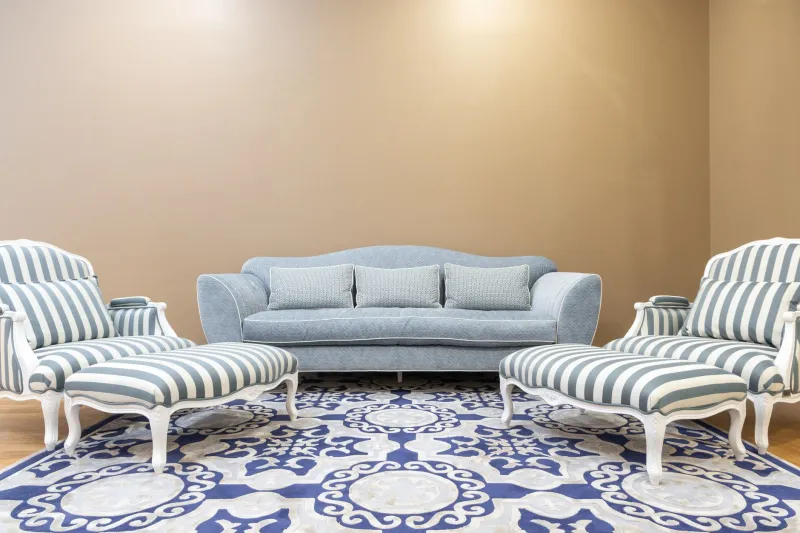
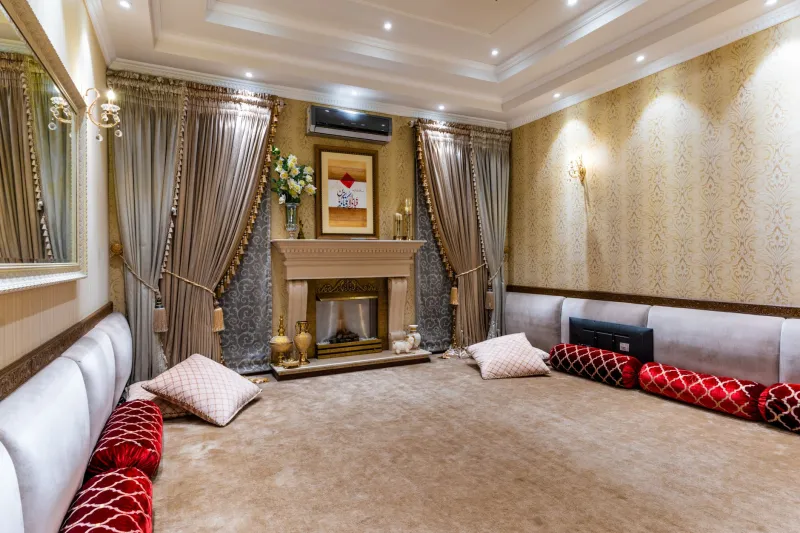
Elegant furniture arrangement is not a fixed destination but a considered framework—one that accommodates how you live today while remaining open to how you will live tomorrow. The most enduring layouts share a set of underlying principles that transcend trends, life stages, and even the furniture itself. Understanding those principles is the difference between a room that must be reinvented every few years and one that simply evolves.

A Home That Feels As Good As It Looks: Designing for the Senses Beyond the Visual

A Home That Feels As Good As It Looks: Designing for the Senses Beyond the Visual

The most admired interiors are not simply beautiful to look at — they are beautiful to inhabit. Acoustic comfort, tactile richness, air quality, and the subtle presence of scent all contribute to the experience of a room in ways that no photograph can fully capture, yet that residents feel in their bones every single day.

Behind Closed Doors: Why the Interiors of Your Closets and Cabinets Deserve the Same Elegance as Every Room You Live In

Behind Closed Doors: Why the Interiors of Your Closets and Cabinets Deserve the Same Elegance as Every Room You Live In

The spaces we conceal behind closed doors shape our daily rituals more profoundly than we often acknowledge. A well-considered closet or pantry interior is not a luxury reserved for grand renovations — it is a quiet investment in how a home truly functions. This article makes the case for extending your design intentions all the way to the spaces no guest will ever see.

The Staircase as Signature: Designing Vertical Space With the Same Intention as Any Room

The Staircase as Signature: Designing Vertical Space With the Same Intention as Any Room

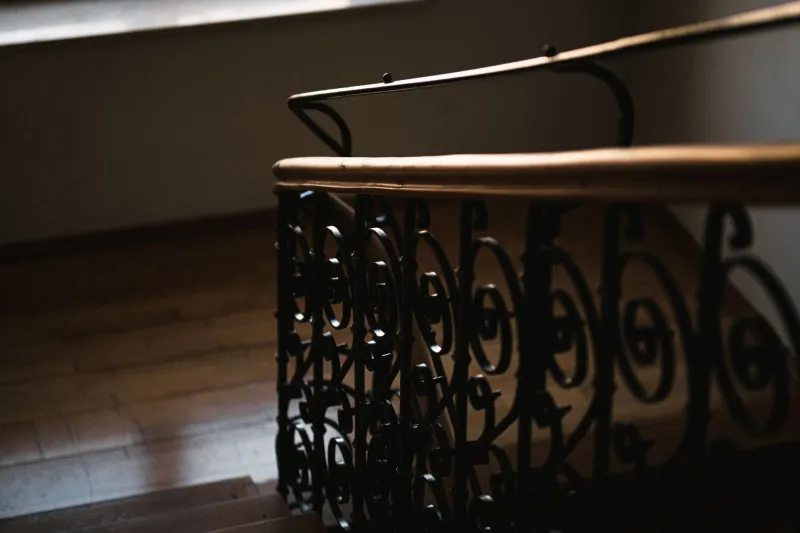
A staircase is rarely treated with the same deliberate care as the rooms it connects—yet it is one of the most visually commanding features in any home. When approached with intention, this vertical passage becomes far more than a means of moving between floors; it becomes the thread that stitches a home's entire design narrative together.

Above the Line: Designing the Space Over Your Cabinetry With Intention and Elegance

Above the Line: Designing the Space Over Your Cabinetry With Intention and Elegance

The horizontal zone that hovers between your cabinet tops and the ceiling is one of the most consistently mishandled areas in residential design. Whether you choose to fill it thoughtfully or leave it deliberately bare, the decision deserves the same careful consideration you would give any wall in your home. This guide explores the principles that transform an awkward gap into a resolved design statement.

The Unadorned Wall: Why the Most Confident Design Choice Is Knowing When to Stop

The Unadorned Wall: Why the Most Confident Design Choice Is Knowing When to Stop

In an era of gallery walls and maximalist styling, there is a quiet courage required to leave a wall empty — and a profound sophistication in doing so deliberately. Negative space on walls is not an oversight; it is a design decision that amplifies everything around it. This piece examines why restraint, practiced with intention, is among the most powerful tools available to the discerning decorator.

The Moment Before the Room: How to Design the Threshold That Shapes Every First Impression

The Moment Before the Room: How to Design the Threshold That Shapes Every First Impression

The instant a person crosses into a room, something is communicated — whether by intention or by accident. Understanding how to choreograph that entry moment through sightlines, scale, and sensory detail is among the most consequential decisions a designer can make. This article explores how to transform the overlooked threshold into the most considered element in any interior.

Grounded in Beauty: Why the Floor Beneath Your Feet Deserves the Same Consideration as Every Wall You Face

Grounded in Beauty: Why the Floor Beneath Your Feet Deserves the Same Consideration as Every Wall You Face

In nearly every design conversation, walls receive the lion's share of attention — colors debated, treatments layered, art carefully positioned. Yet the floor, which anchors every object in a room and meets every footfall, is too often treated as an afterthought. This article makes the case for elevating flooring to its rightful place at the center of thoughtful interior design.

From Flat to Luminous: The Designer's Method for Layering Light in Every Room

From Flat to Luminous: The Designer's Method for Layering Light in Every Room

Lighting is perhaps the single most underestimated element in residential and commercial interiors — capable of transforming a room from flat and forgettable to warm, dimensional, and deeply inviting. Understanding how to layer three distinct types of light is the difference between a space that merely functions and one that genuinely delights. This guide walks through the principles professional designers rely on to bring every corner of a room to life.

Light in Layers: The Professional Secret Behind Rooms That Feel Right at Every Hour

Light in Layers: The Professional Secret Behind Rooms That Feel Right at Every Hour

Most homeowners treat lighting as an afterthought, selecting fixtures for their appearance rather than their function. Yet professional designers understand that a considered layering of light sources — ambient, task, and accent — is what separates a room that merely looks good in photographs from one that feels genuinely livable around the clock. This guide explores how to build a lighting strategy that quietly elevates every other design decision you have made.

Always Ready, Never Rigid: How to Design a Guest Room That Lives Well Every Day

Always Ready, Never Rigid: How to Design a Guest Room That Lives Well Every Day

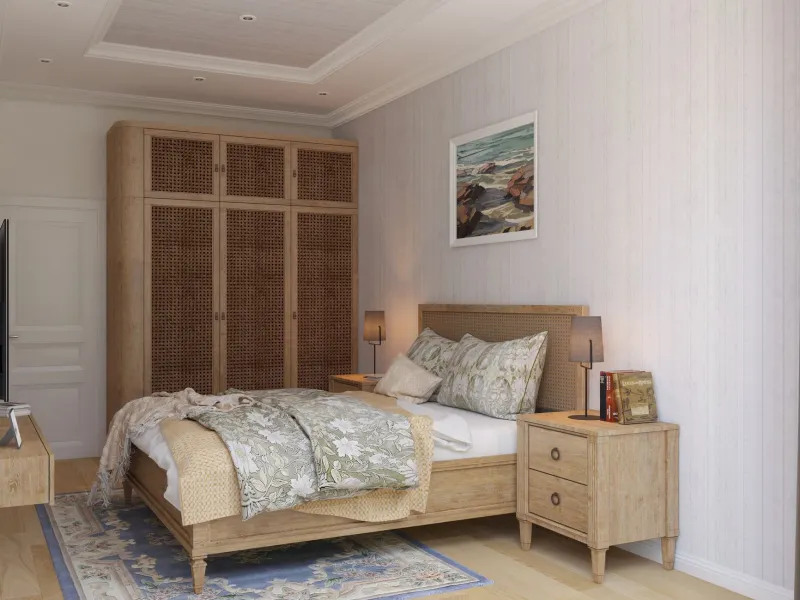
A guest room that feels genuinely welcoming is rarely one that has been held in suspended animation between visits. The most thoughtful approach to this often-overlooked space lies in designing for both hospitality and everyday usefulness — so that the room breathes, adapts, and remains effortlessly ready without demanding constant vigilance.

The Discipline of Subtraction: How Removing the Right Things Transforms a Home

The Discipline of Subtraction: How Removing the Right Things Transforms a Home

In a culture that equates abundance with success, the most sophisticated design move a homeowner can make is often the act of letting go. Thoughtful elimination—of furniture, objects, and visual noise—creates spaces that feel more generous, more intentional, and more genuinely livable than any amount of accumulation ever could. This is the quiet power of curation.

When Great Furniture Gets Lost: How to Match Your Best Pieces to the Right Space

When Great Furniture Gets Lost: How to Match Your Best Pieces to the Right Space

A beautifully crafted sofa or an heirloom dining table can feel strangely diminished when placed in a room that doesn't suit its proportions or purpose. Understanding the relationship between furniture scale, material character, and room geometry is essential to ensuring your finest pieces are truly seen. This article offers a thoughtful framework for evaluating whether a beloved piece belongs in a space — and how to redesign around the exceptional furniture you already own.

Before the First Cushion: Why Spatial Planning Is the Foundation of Every Elegant Room

Before the First Cushion: Why Spatial Planning Is the Foundation of Every Elegant Room

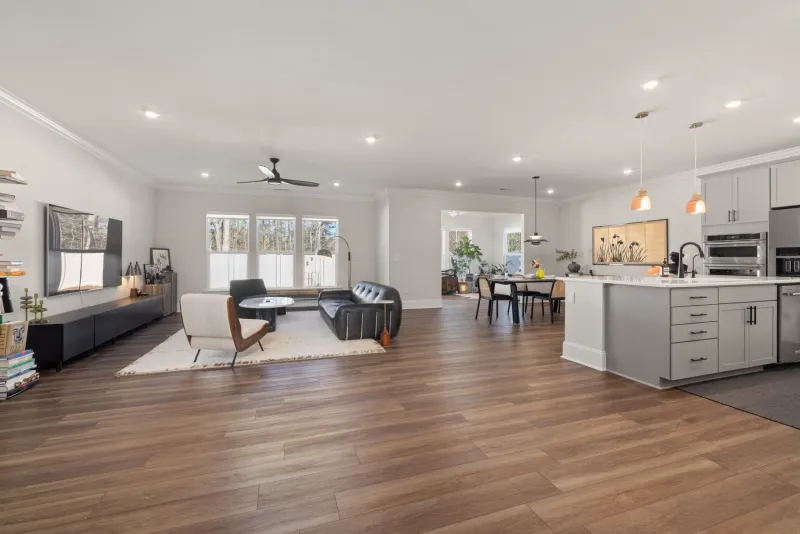
The most beautifully furnished room can still feel wrong if the underlying layout hasn't been considered with care. Long before color palettes and upholstery are selected, the pathways, zones, and focal points of a space quietly determine how it will feel to live in. Understanding this invisible architecture is the first — and most consequential — step toward a room that functions as gracefully as it looks.

Beyond the Visual: How Texture, Sound, and Scent Complete a Room's Design

Beyond the Visual: How Texture, Sound, and Scent Complete a Room's Design

Truly memorable interiors engage far more than the eye. By thoughtfully layering texture, ambient sound, and intentional fragrance, designers can craft spaces that feel complete, luxurious, and deeply personal — a dimension of design that most homeowners have never consciously considered.

The Spaces Between: Why Transitional Rooms Reveal the True Character of a Home

The Spaces Between: Why Transitional Rooms Reveal the True Character of a Home

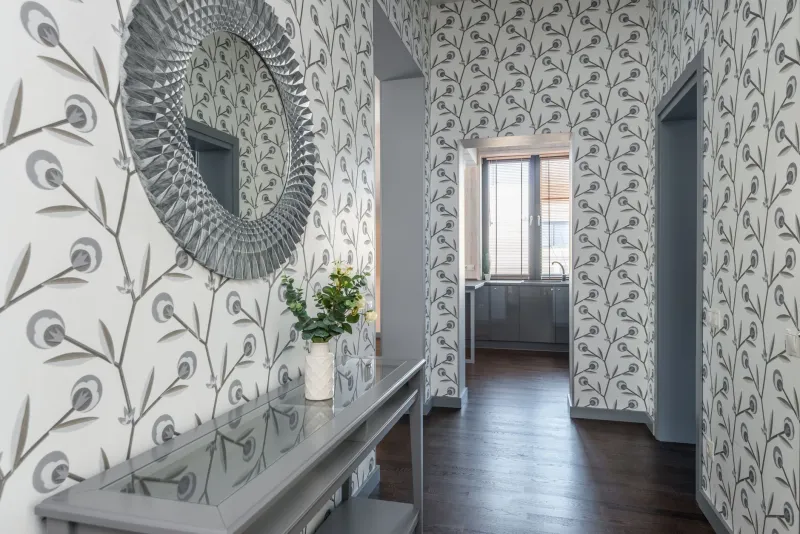
The hallway you pass through without thinking, the powder room a guest visits once — these overlooked spaces quietly author the story of your home. Thoughtful design in transitional areas creates a cohesive interior narrative that residents and visitors feel long before they can articulate why. Here, we explore how the forgotten rooms become the most honest expression of a designer's craft.

Rooms That Remain: The Case for Designing With Your Future in Mind

Rooms That Remain: The Case for Designing With Your Future in Mind

The most elegant spaces are not merely beautiful today — they are resilient enough to absorb tomorrow's changes with grace. Designing for your future self is not an exercise in prediction; it is an act of profound intentionality that separates enduring interiors from those that quietly age out of usefulness.

Beautifully Broken: The Case for Embracing Imperfect Materials in Elegant Interiors

Beautifully Broken: The Case for Embracing Imperfect Materials in Elegant Interiors

In a culture that often equates newness with quality, the most compelling interiors are frequently built from materials that bear the marks of time. Cracked plaster, weathered timber, and naturally aged surfaces carry a quiet authority that no factory-perfect finish can replicate. This is the art of intentional imperfection — and it may be the most sophisticated design philosophy of our era.

The Hues That Shape How You Live: A Room-by-Room Guide to Color and Well-Being

The Hues That Shape How You Live: A Room-by-Room Guide to Color and Well-Being

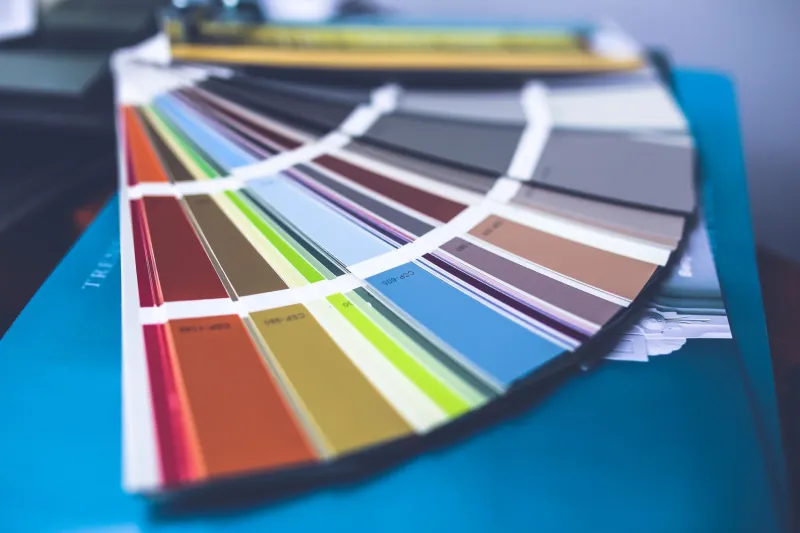
Color is not merely decoration — it is one of the most powerful behavioral and emotional forces operating within any interior space. The palette you choose for your home directly influences how you sleep, how productively you work, and how comfortably you gather with others. This guide offers a considered, room-by-room framework for selecting hues that serve both your aesthetic sensibility and the way you actually live.

Look Up: How a Thoughtfully Designed Ceiling Becomes the Soul of a Room

Look Up: How a Thoughtfully Designed Ceiling Becomes the Soul of a Room

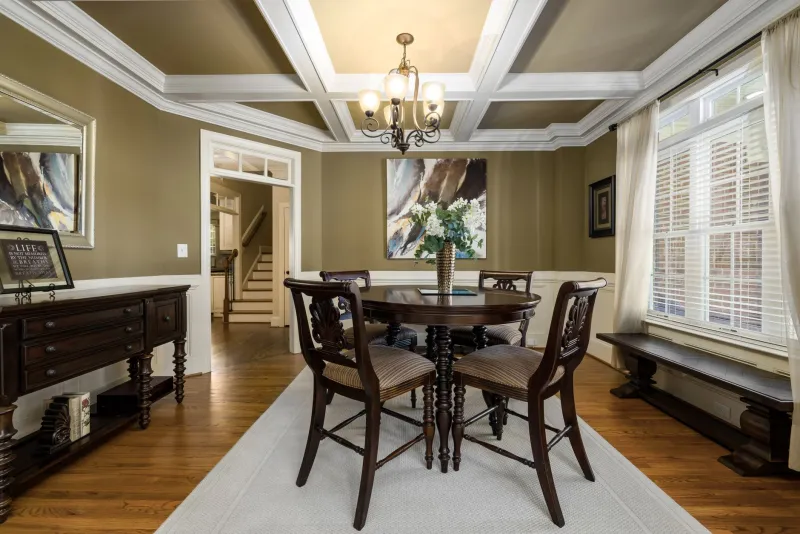
The ceiling is the one surface in any room that no furniture, artwork, or accessory will ever obscure — yet it remains the most consistently neglected canvas in residential and commercial design. Treating it as an afterthought is a missed opportunity of remarkable proportions. At A Delightful Design, we believe that what lies above your eye line may be the single most transformative design decision you have yet to make.

The Art of Breathing Room: How Empty Space Becomes Your Most Powerful Design Element

The Art of Breathing Room: How Empty Space Becomes Your Most Powerful Design Element

In a culture that often equates more with better, the most sophisticated interiors tell a different story. Thoughtfully curated emptiness — what designers call negative space — is quietly one of the most transformative tools in elegant interior design. Understanding the psychology behind it can permanently change the way you see, and inhabit, any room.